


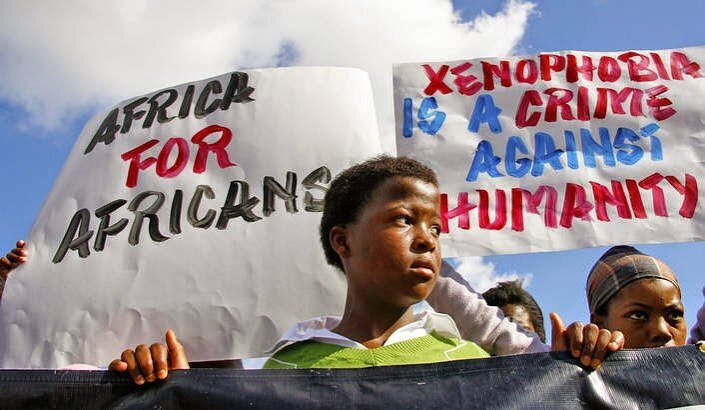
For decades, South Africa has attracted migrants, entrepreneurs, students and job seekers from across Africa. As one of the continent’s most industrialised economies, it has remained a destination for many seeking better economic opportunities and improved living conditions.
However, for many foreign nationals, the promise of opportunity has often been overshadowed by recurring xenophobic violence.
Over the years, South Africa has witnessed repeated attacks targeting foreign nationals, particularly African migrants. These incidents have resulted in deaths, injuries, displacement and the destruction of businesses and properties. The persistence of such attacks continues to raise concerns across the continent and beyond.
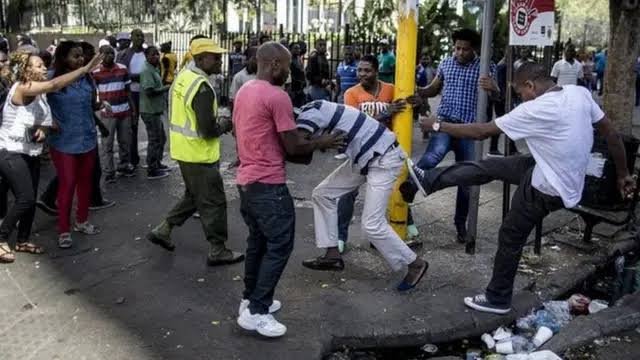
Xenophobia refers to hostility, prejudice or discrimination against people perceived as foreigners. In South Africa, incidents of xenophobic violence have frequently involved migrants from other African countries, including Nigeria, Zimbabwe, Somalia, Ethiopia and Mozambique.
Analysts and human rights organisations have linked the problem to a combination of economic hardship, unemployment, inequality and social tensions.
Experts, however, argue that there is limited evidence to support claims that foreign nationals are responsible for the country’s economic difficulties. Instead, they caution against the scapegoating of migrants for complex structural challenges.
Political rhetoric has also contributed to tensions. Debates around immigration, crime and access to public services have intensified in recent years, with some groups calling for stricter immigration enforcement.
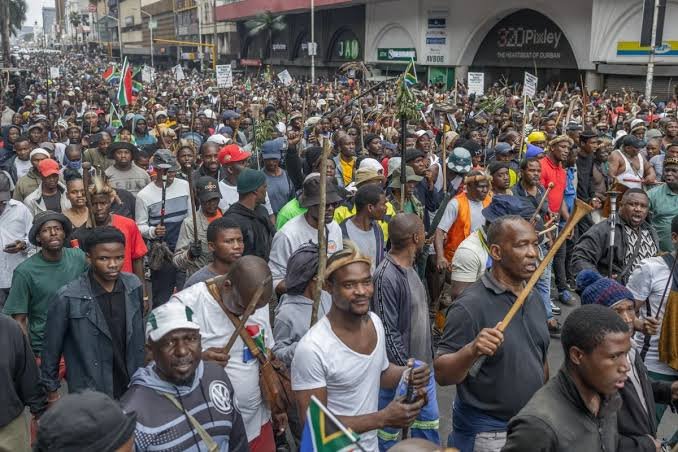
For many migrants living in South Africa, the consequences of xenophobia extend beyond physical attacks. Business owners have lost investments built over many years, while families often live with uncertainty about their safety and future.
The impact has also been felt at the diplomatic level.
Nigeria, Ghana and several other African countries have repeatedly expressed concern over the safety of their citizens in South Africa. In recent months, Nigeria condemned attacks against its citizens and called for accountability in cases involving reported deaths and violence against Nigerians.
The Nigerian government has taken a number of measures in response to the latest wave of anti-migrant tensions and attacks.
In May 2026, President Bola Tinubu directed Nigerian missions in South Africa to establish a crisis response and notification mechanism to assist Nigerians facing threats or danger. The directive was announced by the Minister of Foreign Affairs, Ambassador Bianca Odumegwu-Ojukwu, following diplomatic engagements with South African authorities.
Nigeria also engaged South African authorities through diplomatic channels, while its missions in Pretoria and Johannesburg increased efforts to monitor developments and provide support to affected citizens.
As concerns grew, the Federal Government commenced the evacuation of Nigerians willing to return home. According to the Ministry of Foreign Affairs, the government fully funded the repatriation exercise, with evacuation flights operated by Air Peace. Hundreds of Nigerians have since been brought back to the country in multiple batches.
Government officials have stated that reception, documentation and support arrangements were put in place for returnees upon arrival in Nigeria.
Reports also indicate that more than 1,000 Nigerians registered interest in voluntary return from South Africa amid growing concerns over safety and security.
Despite repeated condemnations by South African authorities and assurances of protection for all residents regardless of nationality, incidents of xenophobic violence continue to occur periodically.
Human rights advocates maintain that addressing the problem will require more than security interventions. They argue that long-term solutions must include efforts to tackle unemployment, inequality, misinformation and social exclusion while promoting tolerance and peaceful coexistence.
For many Africans, the recurring attacks remain a challenge to the ideals of African solidarity and regional integration.
As South Africa continues to grapple with economic and social pressures, the effectiveness of efforts to protect foreign nationals and address the root causes of xenophobia will remain under close scrutiny across the continent.