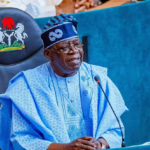


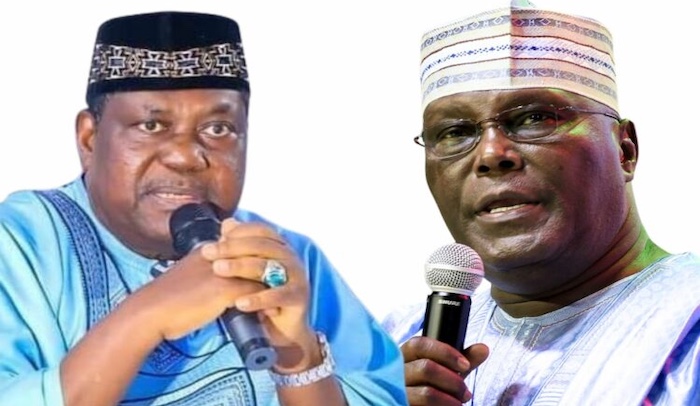
Secretary to the Government of the Federation, George Akume, has firmly stated that former Vice President Atiku Abubakar was actively involved in the agreement on rotational presidency among political leaders following the annulment of the June 12, 1993 presidential election.
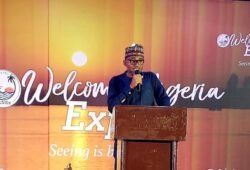
Akume made the clarification on Tuesday during a World Press Conference in Abuja as part of activities commemorating Nigeria’s 27th Democracy Day anniversary. He explained that the controversial annulment of the election widely believed to have been won by the late Chief MKO Abiola created deep national divisions, forcing leaders to negotiate power-sharing arrangements to safeguard Nigeria’s unity.
According to a statement issued by his media aide, Yomi Odunuga, Akume recalled a pivotal meeting of Peoples Democratic Party (PDP) leaders held in Kaduna under the leadership of the late Chief Solomon Lar and Alhaji Adamu Ciroma. The gathering focused on charting the country’s political future, with power rotation emerging as a central solution to address regional grievances. “It was a tough argument before the issue of rotational presidency was agreed on. At the end, we had to concede. We must do this. June 12 annulment had complicated the whole thing. It was finally agreed that we’ll be alternating between North and South,” Akume stated emphatically. He stressed that Atiku Abubakar was among the key leaders present and fully participated in reaching the consensus.
This revelation comes amid heated debates on power rotation principles ahead of the 2027 general elections. Atiku, a northerner and presidential candidate of the African Democratic Congress (ADC), faces criticism for seeking another shot at the presidency after serving as vice president under a northerner, Olusegun Obasanjo, and later contesting in subsequent polls, while President Bola Tinubu, a southerner, is expected to seek re-election following former President Muhammadu Buhari’s eight-year northern tenure.
Akume described the June 12 annulment as a painful setback for Nigeria’s democratic journey and underscored the supremacy of the people’s will. He expressed confidence in the Independent National Electoral Commission (INEC)’s integrity, drawing lessons from past experiences and celebrating 27 years of uninterrupted democratic governance. The SGF also highlighted freedom of expression as a major democratic dividend and urged all political actors to respect electoral outcomes while calling for stronger national cohesion.
The comments are seen as an attempt to reinforce zoning conventions in Nigerian politics and counter narratives challenging rotational arrangements. Analysts believe the clarification could influence party strategies and public discourse as politicians position themselves for 2027. Observers note that sustaining such unwritten agreements remains crucial for political stability in Africa’s most populous nation.