

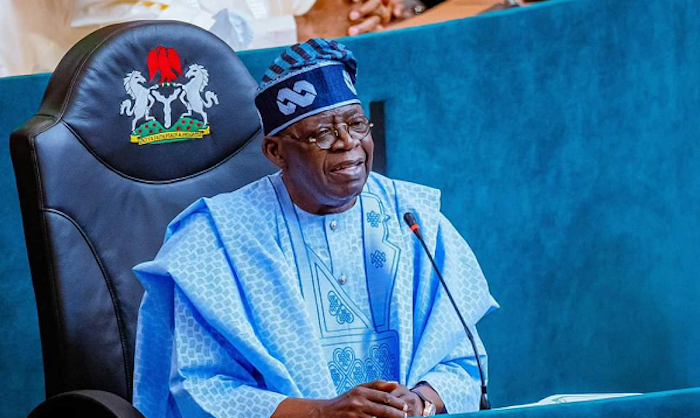
The Federal Government has openly acknowledged that inflation and insecurity continue to pose serious challenges to Nigerians despite the ongoing economic reforms initiated by President Bola Tinubu’s administration.
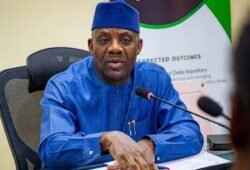
Secretary to the Government of the Federation, George Akume, made the admission on Tuesday during a press conference in Abuja to mark Democracy Day. While defending the administration’s policies, he recognised the hardships they have caused ordinary citizens but highlighted emerging positive economic indicators. “While we pursue various reforms diligently, the government recognises that inflation has been painful, though it is on a downward trend. The government is similarly conscious of the fact that insecurity still threatens lives and livelihoods,” Akume said.
He pointed to recent GDP growth figures of 4.07 per cent in Q4 2025 and 3.89 per cent in Q1 2026, alongside key social intervention programmes such as student loans, with N184 billion already disbursed to over one million beneficiaries, and various cash transfer initiatives. Akume defended the fiscal reforms and anti-corruption drive, citing Nigeria’s successful removal from the Financial Action Task Force (FATF) grey list as a major achievement. On security, he admitted persistent challenges but noted efforts to expand the capacity of the armed forces and deepen international cooperation.
The briefing served as a mid-term accountability session for the administration. Akume appealed for national unity and greater public support, particularly in intelligence sharing to combat insecurity. He signalled the government’s intention to seek revalidation of its mandate in the 2027 elections based on its performance and ongoing reforms.
This candid admission reflects the administration’s attempt to balance transparency with optimism amid public discontent over economic hardships. Many Nigerians continue to struggle with high food prices, fuel costs, and safety concerns, making the government’s messaging critical as it navigates political opposition ahead of future polls. Economists suggest that sustained implementation of reforms, coupled with visible improvements in security, will be key to regaining public trust.