

Last week, we showed you the numbers that break people before they even get to the end of the month. Eating a proper, nutritious diet in Nigeria now eats up more than 80% of the minimum wage in eight states. In Lagos, it’s 84.6%. That means if you earn ₦70,000, ₦59,210 is gone on food alone. Nothing left for rent, transport, school fees, medicine, or light. In Ekiti, the worst-hit state, it’s 92.6%. Workers there have less than ₦6,000 left for everything else after they’ve bought food.
But that was just the first half of the problem.
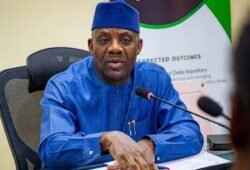
The Federal Government disclosed on Monday that unsafe food causes nearly 50 million illnesses and more than 53,000 deaths in Nigeria every year. Dr Iziaq Salako, Minister of State for Health and Social Welfare, gave those figures during a briefing for World Food Safety Day, painting a picture of a country caught in a food trap with no clean exit or way out. Nutritious food is out of reach for most people. Cheap food is killing them.
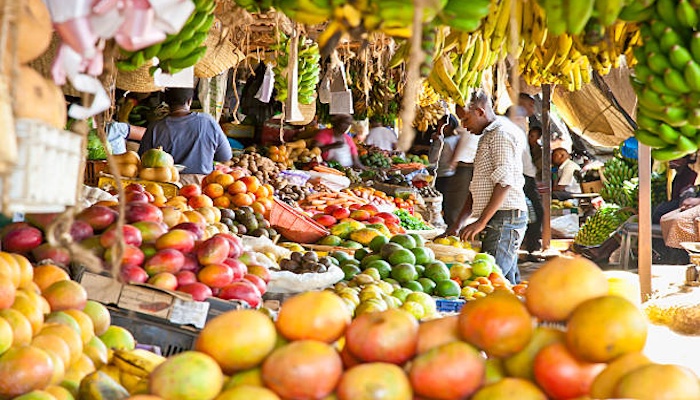
When a Lagos minimum wage earner cannot afford to buy fresh vegetables, fish, protein and cook them at home, they don’t go hungry. They go to the roadside buka, the suya spot by the bus stop, the pepper soup joint that does not close until midnight. Sometimes these are the only options when money has been exhausted before the month ends.
Sadly, those cheap food environments are where bacteria and viruses that sicken Nigerians thrive. Salmonella, E. coli, Campylobacter, Shigella and rotavirus, all capable of causing severe diarrhoea, vomiting, dehydration and in some serious cases, can lead to death.
The burden falls hardest on children with most of over 805 foodborne diseases affecting children under five years. With the current state of the economy, a lot of these children fall under the umbrella of people who can barely affect the bill of healthy eating The link is direct. Poverty pushes families to cheaper food. In Nigeria’s current regulatory setup, cheaper food carries a higher risk of contamination. And the bodies least able to fight that contamination are the smallest ones in the house.
NAFDAC Director-General Prof Mojisola Adeyeye put it plainly: “Where food is unsafe, our nutritional goals cannot be achieved.” She is right, but the reverse is equally true. Where food is unaffordable, safety becomes something only the rich can buy. Most Nigerians aren’t picking between safe and unsafe food. They’re picking between unsafe food and an empty stomach.
The government has announced progress on food safety indicators and pledged stronger regulation. Those commitments matter. But regulation without affordability is a solution aimed at the wrong problem. You cannot enforce your way out of a hunger crisis.
Nigeria has one problem with two faces. One face says the food is too expensive. The other says the food people can afford is dangerous. Until policymakers treat it as one crisis, the death toll will keep rising and minimum wages will keep running out long before the month ends.