


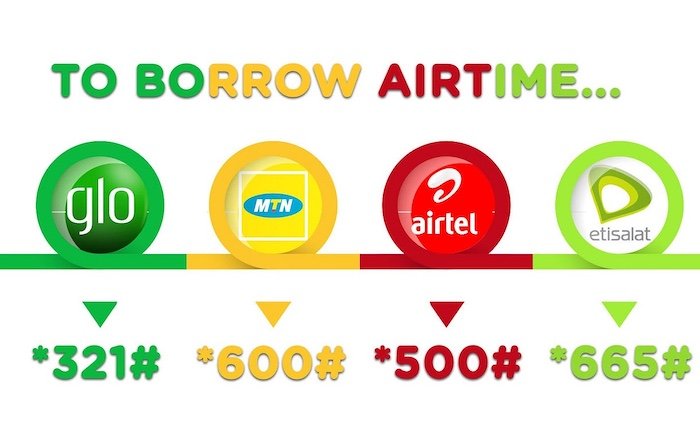
For years, millions of Nigerians have relied on services like “Borrow Me Credit” and “XtraTime” whenever they ran out of airtime before their next recharge. But a recent regulatory dispute has raised a question many consumers never thought to ask: is borrowing airtime actually a loan?
The debate sits at the center of a growing battle between regulators over who should oversee airtime lending services. While telecom operators view the product as a value-added telecommunications service, consumer protection authorities have argued that it functions like a form of credit and should therefore be subject to lending regulations.
Both sides appear to have a point.
Like a regular loan, airtime advances let you get service now and pay later. You have to repay, and when you do, fees are usually deducted when you do. In practice it looks a lot like the “buy now, pay later” models popping up across many other financial services.
But there are differences as well. Airtime credit isn’t cash you can spend anywhere. It is limited to your mobile network. Operators say that because it’s tied directly to airtime use, it should be regulated under telecom rules, not financial lending rules.
The distinction may sound technical, but it matters for both users and companies. If airtime advances are classed as loans, telcos and third-party providers would face tougher compliance demands, similar to what digital lenders deal with. Consumer advocates argue that would mean more transparency, fairer charges, and clearer industry rules.
On the other side of things, heavy regulation could threaten a service millions of Nigerians rely on. For many Nigerians, borrowing airtime is not just a thing of convenience. It keeps them connected during emergencies or when money is tight.
The dispute also points to a bigger problem regulators face globally. Tech keeps blurring the lines between telecoms, banking, and digital services. Laws written for old-school industries struggle to fit products that sit right in the middle.
Whether airtime borrowing ends up defined as a telecom service or consumer credit, the debate shows we need clear rules. People deserve protection from unfair practices. But they also need access to services that have become part of daily life.