

The Federal Government has pushed back against IMF findings, and the political firestorm that followed them, that Nigeria spent roughly two percent of GDP, over ₦8 trillion, outside its approved budget.
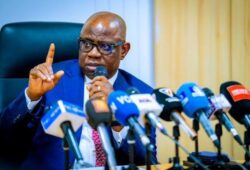
Minister of Finance Taiwo Oyedele issued the rebuttal after the IMF’s Article IV Consultation report and comments from its Nigeria Resident Representative, Christian Ebeke, who said the unreported spending had masked the country’s true financing needs and made its fiscal deficit look smaller than it actually was. “So far we think that there are about two per cent of GDP of expenditure that were not reported that should be reported and should be recorded, so that this statistical discrepancy will disappear,” Ebeke said. The finding prompted former Vice President Atiku Abubakar to call on the EFCC and ICPC to investigate the alleged omission.
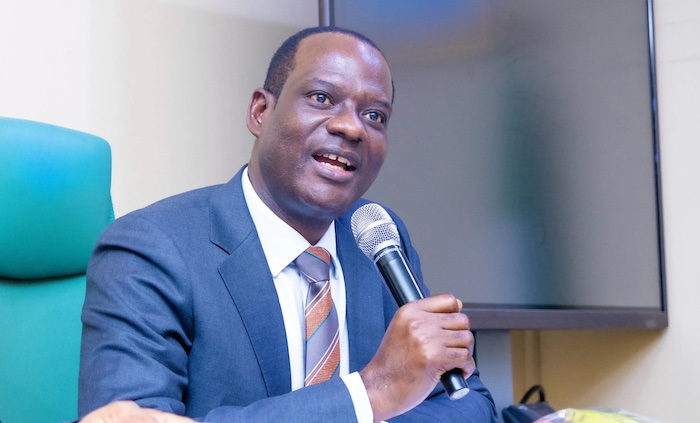
Oyedele rejected that framing outright. “These claims are incorrect and risk misleading the public regarding the government’s financial management. For the avoidance of doubt, the Federal Government does not operate a ‘shadow budget’ or expend public funds outside the constitutional and statutory framework established for public finance,” he said, citing Sections 80 to 83 and 162 of the Constitution as the legal basis for how public funds are withdrawn and spent. He said federal spending flows through duly enacted Appropriation Acts, Supplementary Appropriation Acts and other statutory authorities from the National Assembly, and that multi-year capital projects, along with approved capital rollovers, are a recognised and lawful feature of public finance rather than evidence of anything hidden.
He challenged critics to be specific, arguing that allegations of this scale should identify the exact projects supposedly funded without appropriation and back that up with verifiable evidence rather than conjecture.
The minister then walked through the distinction he said critics were missing, between appropriation, expenditure authorisation, financing and fiscal reporting. He pointed to several categories of spending built into Nigeria’s legal framework, including statutory allocations to development commissions, cost-of-collection retentions by revenue agencies, separately approved capital budgets for certain agencies and the FCT, and special interventions authorised by law for priorities like security, infrastructure and disaster response, alongside debt service obligations. “These expenditures are neither secret nor illegal. They are established by law, disclosed in various fiscal reports, and subject to applicable oversight, audit and accountability mechanisms,” he said, adding that differences in how such spending is classified for international reporting standards should not be mistaken for unlawful activity.
On the deficit question specifically, Oyedele said it is inaccurate to treat the reported figure as evidence of a larger shortfall, since fiscal deficit is a function of total revenue against total expenditure, not which lawful financing channel a given project moves through. He characterised the IMF’s actual concern as being about the completeness and timing of fiscal reporting rather than the legality of the spending itself, noting that Nigeria, like many countries, is working to bring its budget presentation closer in line with international reporting standards as part of broader public finance reforms.