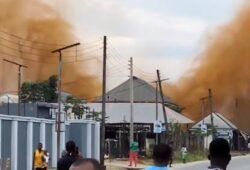
Electricity infrastructure vandalism and widespread energy theft have come under renewed scrutiny as the Federal Government moves to strengthen enforcement efforts through a partnership between the Ministry of Power and the Economic and Financial Crimes Commission (EFCC).
The collaboration is aimed at addressing persistent losses in Nigeria’s power sector, where theft of critical infrastructure and non-payment for electricity continue to undermine efforts to improve electricity supply and attract investment.
Minister of Power, Joseph Tegbe, disclosed the planned partnership during a courtesy visit to the EFCC headquarters in Abuja, stressing that vandalism and energy theft have become major obstacles to the development and sustainability of the nation’s electricity industry.
According to the minister, the destruction and theft of power infrastructure have imposed significant financial burdens on the sector, while also disrupting electricity distribution to homes and businesses across the country.
Tegbe noted that although the ministry is responsible for overseeing the sector, it lacks the legal authority to prosecute offenders involved in vandalism and related crimes. He explained that cases are often reported to relevant law enforcement agencies, making collaboration with institutions such as the EFCC essential.
“The president has charged us to create awareness and also prosecute people stealing or buying the proceeds, but we do not have the power to prosecute offenders. We can only report to you,” the minister said.
He identified the theft of public assets such as manhole covers, cables and other valuable infrastructure components as a growing concern. Beyond physical vandalism, Tegbe also highlighted energy theft, including deliberate refusal by some individuals and organisations to pay for electricity consumed.
The minister argued that such practices weaken the financial viability of the power sector and reduce resources available for infrastructure upgrades and service improvements.
Responding, EFCC Chairman Ola Olukoyede described vandalism and energy theft as serious economic crimes that deprive the government and industry operators of legitimate revenue.
Olukoyede said the commission views such offences as forms of revenue fraud and economic sabotage capable of slowing national development. He assured the ministry of the commission’s readiness to support efforts aimed at protecting critical power infrastructure and strengthening accountability within the sector.
According to him, the EFCC will work with the Ministry of Power to introduce fraud risk assessment mechanisms and other control measures designed to identify vulnerabilities and prevent losses in ongoing and future projects.
The development comes amid broader government efforts to improve electricity supply and address longstanding challenges confronting the power industry. Industry stakeholders have repeatedly argued that tackling infrastructure vandalism and energy theft is critical to achieving a more reliable and sustainable electricity market.
As both institutions deepen cooperation, expectations are growing that stronger enforcement and preventive measures could help reduce losses, protect public investments and support ongoing reforms in Nigeria’s power sector.