Former Vice President Atiku Abubakar has raised questions about the Federal Government’s cash transfer programme, asking President Bola Tinubu to explain how more than ₦750 billion was reportedly distributed to over 10 million Nigerians, including beneficiaries said to lack access to mobile phones.
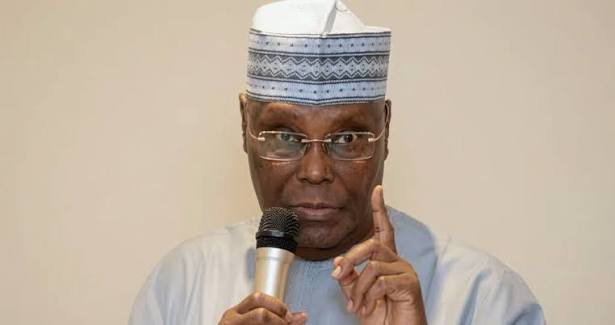
Atiku made the remarks on Thursday during a press conference at the national secretariat of the African Democratic Congress (ADC), where he also outlined policy priorities he said would guide his administration if elected president.
Referring to statements by the ruling All Progressives Congress regarding cash transfer beneficiaries, Atiku questioned the identification, verification and payment processes used in reaching recipients, particularly in insecurity-affected communities.
According to him, transparency requires the government to provide details of how beneficiaries were identified and how payments were made.
The former vice president also criticised current economic conditions, arguing that rising living costs have placed significant pressure on households across the country.
He cited increases in fuel prices and food costs, saying many Nigerians are struggling to meet basic needs despite recent economic reforms.
Atiku pledged that an administration under his leadership would prioritise affordability, social welfare and security from its first day in office.
He said efforts would focus on reducing the cost of essential goods and services, improving access to healthcare and education, and strengthening security across affected communities.
The ADC leader also proposed a production-based fuel subsidy model tied to locally refined petroleum products, with independent audits and public accountability mechanisms.
In addition, he raised concerns about public debt levels and infrastructure contracting processes, including the Lagos-Calabar Coastal Highway project.
Atiku maintained that government policies should produce measurable improvements in the lives of citizens, adding that economic growth must translate into better living conditions for ordinary Nigerians.