

An IMF disclosure about unreported government spending has become the latest flashpoint in Nigeria’s opposition politics, with two of the country’s most prominent political figures reading starkly different conclusions into the same set of numbers than the Fund itself appears to draw.
The trigger was a comment from Christian Ebeke, the IMF’s Resident Representative in Nigeria, who said Nigeria had left public spending equivalent to roughly two percent of GDP unreported in recent budgets, spending tied partly to major projects executed outside the formal budget process. The effect, he said, was to make the country’s fiscal deficit look smaller than its real financing needs, a transparency concern rather than, in the IMF’s own framing, an allegation of theft.
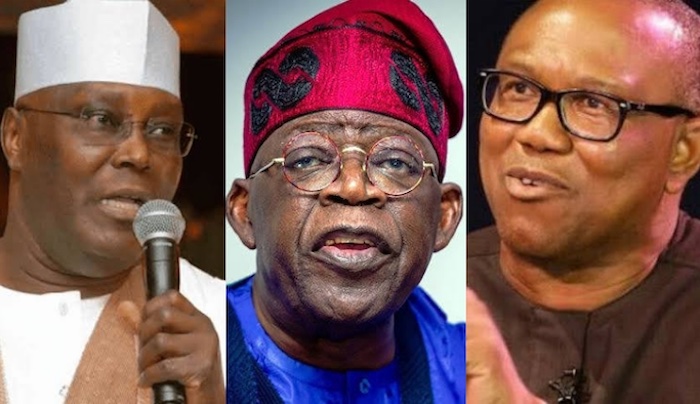
Atiku Abubakar, the ADC’s presidential candidate, moved fastest and hardest. He put the figure at ₦8.8 trillion and called it public money spent without legislative approval, audit or public accountability, demanding investigations from the EFCC, ICPC, National Assembly and the Auditor-General of the Federation. He went further than the IMF’s own language, describing the pattern as a “shadow treasury” that persisted even as ordinary Nigerians absorbed painful economic reforms. Atiku also folded in a separate allegation, that ₦800 billion had been deducted from states’ statutory allocations to fund a 2027 election war chest, and demanded both an independent audit of the off-budget spending and a refund of the disputed state deductions.
Peter Obi, running under the NDC banner, took a related but distinct angle, using the same IMF figures to argue for something he had already been pushing before this disclosure surfaced, Tinubu’s resignation. He called the ₦8.83 trillion evidence of grand corruption, noted it exceeds more than a third of the 2025 capital budget and surpasses combined federal spending on education and health, and argued the money could have transformed both sectors had it been properly tracked and deployed. For Obi, the IMF finding functioned less as a new allegation than as fresh ammunition for an argument about governance failure he had already been making.
What both men’s statements skip past is the IMF’s own more technical explanation for the gap. The Fund attributed the discrepancy mainly to government projects carried out outside the standard budget process, not to concealment or theft, and noted the Federal Government has already begun revising budget laws and improving fiscal reporting in response. The IMF’s ask was for greater transparency and timely publication of budget implementation reports, a considerably narrower prescription than the criminal investigations and resignation calls the disclosure has since generated in Nigerian politics.