

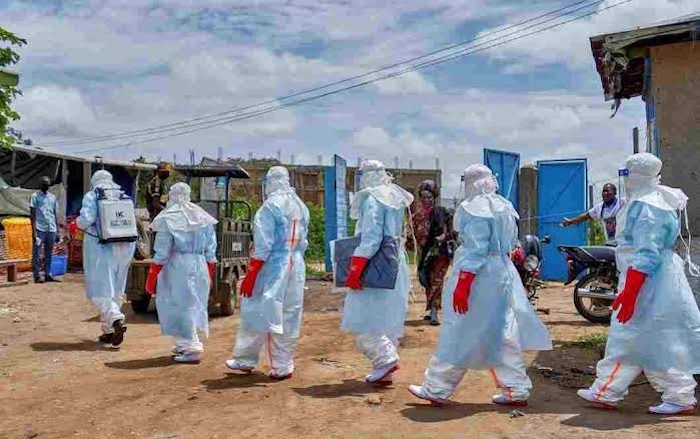
The ongoing Ebola outbreak in Uganda and the Democratic Republic of Congo has recorded 894 confirmed cases and 204 deaths, with only 74 recoveries reported since it was declared on May 15, 2026.
Dr Wessam Mankoula of the Africa Centres for Disease Control and Prevention disclosed this during a webinar on Thursday. Uganda has 19 cases, two deaths and a 10.5 per cent case fatality rate, while the DRC is driving the bulk of the outbreak. Ituri Province in the DRC remains the epicentre. North Kivu is of particular concern due to insecurity limiting access. The outbreak has spread to 32 health zones across the two countries.
Contact tracing coverage remains critically low, with only about 20 per cent of expected contacts listed. Safe burial capacity is also severely constrained. No licensed vaccines or therapeutics exist for the Sudan strain currently circulating. Africa CDC and the World Health Organisation have launched a unified $518 million six-month response plan. Testing capacity has improved significantly, with results now available within 24 hours.
The outbreak ranks among the largest in history by case count in its early weeks. Challenges include insecurity, low contact tracing, and funding gaps despite pledges. This situation poses a significant regional threat, with potential for cross-border spread given population movements in the Great Lakes region. Health authorities are intensifying surveillance at borders and urging communities to report suspected cases early.
The high death toll underscores the danger of the Sudan ebolavirus strain and the urgent need for accelerated research into vaccines and treatments. International partners have pledged support, but insecurity in eastern DRC continues to hamper response efforts. Experts warn that without rapid scaling of interventions, the outbreak could worsen and affect regional stability. Nigeria and other African countries are on high alert for possible imported cases.