A fresh political and legal controversy has erupted between former Kaduna State Governor Nasir el-Rufai and Minister of Defence, General Christopher Musa (rtd.), following allegations made during a televised interview that have now sparked a N10 billion defamation demand.
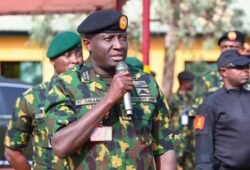
The dispute stems from comments made by the Defence Minister during an appearance on Channels Television’s Politics Today programme, where he spoke on security challenges in Kaduna State and made remarks that the former governor considers damaging to his reputation.
In a letter dated September 7, 2026, and transmitted through his legal representatives, el-Rufai demanded N10 billion in compensation, insisting that the statements made against him were false, malicious and defamatory. The former governor also requested a public retraction and apology, giving the minister seven days to provide evidence supporting the allegations or face further legal action.
According to the letter, the comments portrayed el-Rufai as being complicit in violence and insecurity during his administration, claims his lawyers described as baseless and unsupported by facts.
The controversy has generated reactions across Northern Nigeria, with several groups taking opposing positions on the matter.
The Coalition of Northern Elders for Peace and Development (CNEEPD) openly backed the Defence Minister, arguing that Musa merely highlighted issues that many residents experienced during el-Rufai’s tenure as governor. The group claimed that the administration left behind unresolved divisions and policies that generated widespread criticism.
Similarly, the Kaduna State Muslim-Christian Network for Good Governance defended Musa’s remarks, alleging that the former governor’s administration deepened social and religious tensions in parts of the state. The group cited issues ranging from insecurity to controversial demolitions and employment-related disputes.
Political observers say the dispute could further intensify political tensions ahead of the 2027 elections, particularly as prominent Northern figures increasingly align themselves with competing political camps.
Legal experts note that the matter could ultimately test the boundaries between political criticism and defamation under Nigerian law if it proceeds to court.
While neither side has shown signs of backing down, analysts believe the unfolding dispute reflects the growing political realignments taking shape ahead of the next presidential election.