


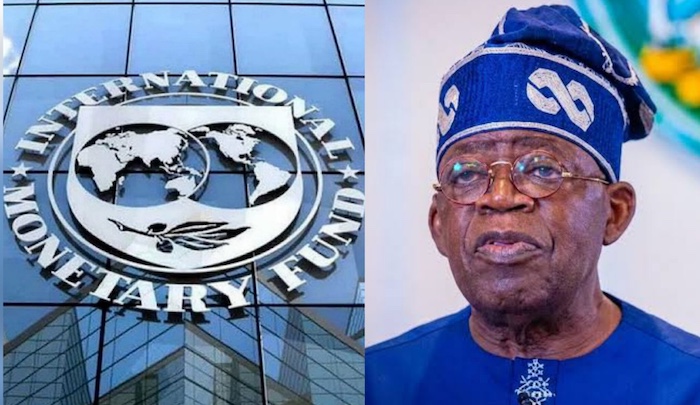
The International Monetary Fund (IMF) has advised the Federal Government to consider extending Value Added Tax (VAT) to petroleum products and introducing excise duties on telecommunications services as part of efforts to boost revenue generation and sustain public spending.
The recommendation was contained in the IMF’s 2026 Article IV Consultation Report on Nigeria, released on June 9. The Washington-based financial institution noted that while ongoing tax reforms are expected to improve revenue collection, additional measures may be required to support the country’s development goals over the medium term.
According to the report, Nigeria may need to increase the VAT rate, extend VAT coverage to fuel products, rationalise tax expenditures, particularly exemptions granted to extractive industries, and introduce excise duties on telecommunications services.
The IMF stated that such measures would complement ongoing administrative reforms aimed at improving tax collection efficiency and reducing revenue leakages.
The institution noted that continued revenue mobilisation remains crucial as the Federal Government seeks to sustain increased capital expenditure on infrastructure and development projects.
“Staff’s projections caution that there is limited space to sustain the 2026 ramp-up of capital expenditure over the medium term in the absence of further revenue gains,” the report stated.
The IMF also highlighted the role of digital technology in strengthening tax administration, noting that digital tools could help improve revenue tracking, verification and collection while reducing opportunities for corruption.
According to the Fund, higher revenues would create fiscal space for investments in critical sectors and social welfare programmes.
However, the IMF cautioned that the implementation of additional tax measures must take into consideration the prevailing economic realities facing many Nigerians.
“The timing of reforms must consider the poverty and food insecurity situation and ensure that the cash transfer system is in place and funded,” the report stated.
The Fund acknowledged that although economic reforms implemented over the past three years have improved macroeconomic stability and strengthened economic resilience, living conditions remain challenging for a significant proportion of Nigerians.
It noted that poverty levels have risen to about 63 per cent based on the national poverty line, while an estimated 27 million Nigerians experienced food insecurity during the latter part of 2025.
The IMF further warned that rising global prices of fuel, food and fertilisers could worsen inflationary pressures, even as they improve export earnings and government revenues.
According to the institution, higher global commodity prices could aggravate poverty and food insecurity if not properly managed.
The recommendation is expected to spark fresh debate over the cost of living in Nigeria, particularly as extending VAT to fuel products could lead to higher prices for petrol and diesel.
Similarly, the introduction of excise duties on telecommunications services could increase the cost of airtime, voice calls and internet subscriptions if service providers pass the additional costs on to consumers.
Many Nigerians are already grappling with rising living costs following recent economic reforms, including fuel subsidy removal and foreign exchange adjustments.
The telecom sector has also witnessed tariff increases. In January 2025, the Nigerian Communications Commission approved a 50 per cent tariff adjustment for telecommunications operators, resulting in higher costs for airtime and data services.
Economic analysts say any additional tax burden on fuel and telecommunications could have far-reaching implications for households and businesses, given the central role both sectors play in daily economic activities.
While supporters of the proposal argue that increased revenue is necessary to fund development projects and strengthen public services, critics contend that the measures could further strain household incomes at a time of widespread economic hardship.
The Federal Government has yet to indicate whether it will adopt the IMF’s recommendations.
As discussions continue, stakeholders are expected to closely monitor government responses, particularly in light of growing public concerns over inflation, unemployment and declining purchasing power.
For many Nigerians, the debate is likely to centre on balancing the need for government revenue with the imperative of protecting vulnerable citizens from additional economic pressures.