

Iran is struggling to secure enough petrol to meet domestic demand after a US naval blockade prevented the country from importing fuel, according to Iranian Vice President Mohammad Jafar Ghaempanah.
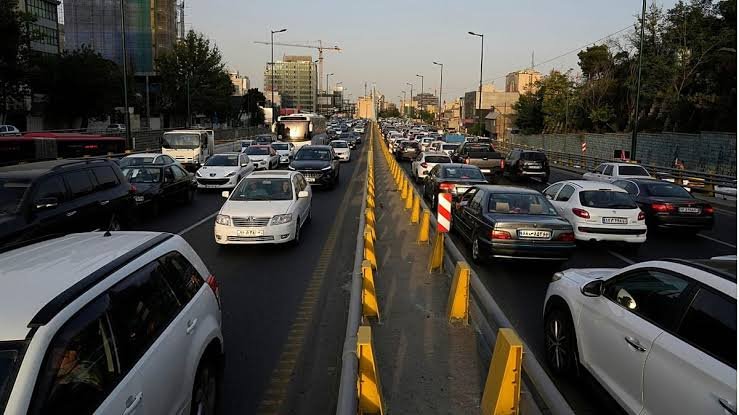
The warning comes as long queues have formed at petrol stations across Iran, with the conflict between Tehran and Washington increasingly putting pressure on the country’s economy and fuel supply.
“Petrol production is insufficient, and because of the US naval blockade, we cannot import it,” Ghaempanah said, according to Iran’s official IRNA news agency on Wednesday.
The comments came days after Iranian President Masoud Pezeshkian’s chief of staff, Mohsen Haji-Mirzaei, said the government would review existing petrol quotas, although he provided no details on possible changes.
The fuel difficulties are unfolding against the backdrop of the war that began between Iran and the United States on February 28. Tehran has since taken control of the strategically important Strait of Hormuz, while Washington has responded with a naval counter-blockade targeting Iranian ports.
The disruption has added to concerns over Iran’s ability to maintain fuel supplies despite being one of the world’s major oil producers.
Ghaempanah also used the situation to criticise Iran’s long-standing petrol subsidy system, arguing that the current arrangement does not distribute government support equally among citizens.
“The distribution of petrol in the country is inequitable. Owners of several vehicles benefit from subsidies, unlike those who do not own one,” he said.
Iran has historically kept petrol prices extremely low through heavy state subsidies. While the policy has made fuel relatively affordable for consumers, successive governments have faced difficulties reforming the system because changes to petrol prices can trigger strong public opposition.
The current crisis could therefore place renewed pressure on Tehran to reconsider how fuel is priced and distributed.
For now, however, the immediate challenge is supply. With domestic production unable to meet demand and maritime restrictions limiting imports, the government is facing growing pressure to prevent shortages from worsening as the conflict continues.