Iran has ruled out the possibility of a military resolution to the ongoing conflict involving the United States and Israel, insisting that negotiations remain the only viable path to ending months of hostilities that have continued to destabilise the Middle East.
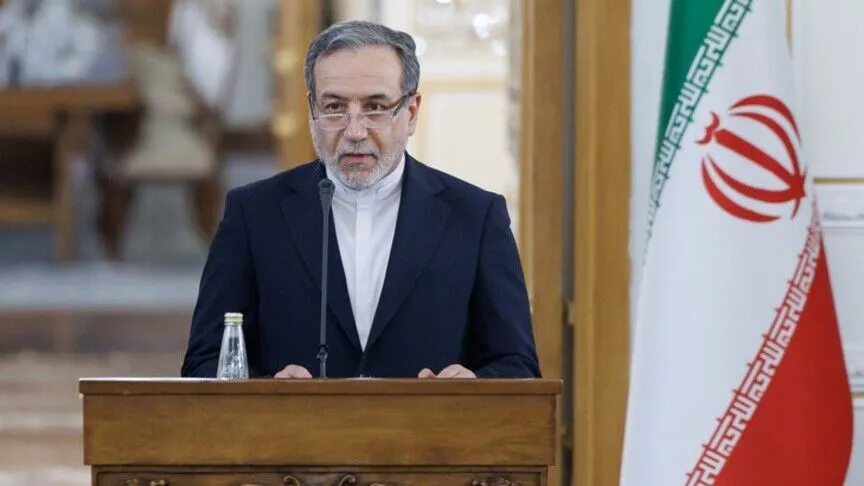
The position was reiterated on Sunday by Iran’s Foreign Minister, Abbas Araghchi, who warned that while Tehran remains open to diplomatic engagement, it would respond forcefully to any renewed military action against the country.
Speaking before foreign diplomats, Araghchi said Iran would not succumb to pressure through military force or economic sanctions, stressing that any lasting settlement must be built on what he described as fairness and justice.
His comments come amid growing uncertainty over efforts to end a conflict that began earlier this year following military operations launched by the United States and Israel against Iran. Although direct military strikes have reduced in recent weeks, tensions remain high, particularly over the strategic Strait of Hormuz, a key global shipping route for oil and gas exports.
The waterway has remained a major source of dispute between Tehran and Washington. Iran has continued attempts to assert control over shipping movements in the area, while the United States has maintained pressure through sanctions and maritime restrictions.
Fresh concerns emerged on Sunday after the United Kingdom Maritime Trade Operations agency reported that a tanker operating in the Strait of Hormuz was struck by an unidentified projectile, causing damage to its engine compartment. While no casualties were reported, the incident has heightened fears about the security of one of the world’s most important energy corridors.
The prolonged conflict is also taking a toll on Iran’s domestic economy. Reports of fuel shortages and long queues at filling stations have intensified public concerns, leading to changes within the country’s energy leadership. Oil Minister Mohsen Paknejad resigned from office, with National Iranian Oil Company chief Hamid Bovard appointed to oversee the ministry in an acting capacity.
Diplomatic contacts between Tehran and Washington have continued despite the tensions. Officials from both countries reportedly held indirect discussions during the United Nations General Assembly last week. Iran is said to have proposed a number of conditions for reopening the Strait of Hormuz, including a regional ceasefire, the lifting of sanctions and the release of frozen Iranian assets.
However, the proposals have yet to gain traction, leaving the future of negotiations uncertain as both sides maintain firm positions.