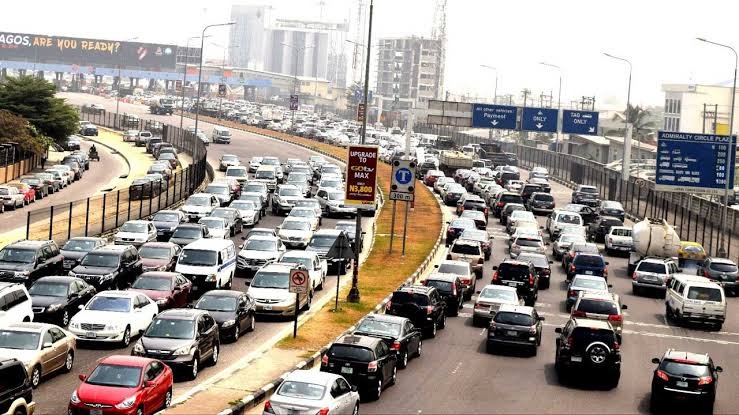
Efforts to tackle persistent traffic congestion along the Lekki Port corridor have received a boost as the Nigerian Ports Authority and key stakeholders agreed on stricter measures to regulate truck movements and improve traffic flow around the rapidly expanding logistics hub.
The decision followed a stakeholders’ meeting convened by Lekki Port Manager, Emmanuel Anda, amid growing concerns over increasing pressure on the corridor, which serves the port, free trade zones, petroleum facilities and ongoing coastal road projects.
Anda acknowledged that the volume of commercial activities along the route had created significant traffic challenges requiring coordinated action from all parties. As part of immediate interventions, he directed that trucks be restricted to a single lane to allow smoother movement for other road users, in line with directives issued by the Federal Controller of Works in Lagos State.
He also stressed the need for strict adherence to the electronic call-up system, insisting that trucks should only be released based on the actual capacity of terminals to receive them.
Operators within the corridor highlighted measures already introduced to improve efficiency. Chief Operating Officer of Lekki Free Port Terminal, Ajay Harlal Tyagi, disclosed that a one-container, one-booking system had been implemented to eliminate duplicate bookings and reduce unnecessary truck movements.
According to him, the terminal has also deployed a radio-frequency identification system to strengthen access control and reduce waiting times for truck drivers entering the port.
Managing Director of Call-Up Technology, Timi Koleolu, expressed concern that agreed operational guidelines were not being fully implemented by some stakeholders. He urged transport operators to utilise approved truck parks and complete all required booking procedures before proceeding to the port corridor.
Representatives of the Lagos State Government also stressed the importance of compliance. Idris Seidu, who represented the Ministry of Transportation, said authorities were working with stakeholders to enforce the electronic call-up system and ensure that designated truck parks were fully utilised.
Stakeholders further raised concerns over trucks making repeated unauthorised entry attempts, returning through one-way routes and causing avoidable traffic disruptions. Plans were therefore made to inspect all approved transit parks within the corridor.
Anda expressed optimism that the measures would significantly ease congestion within weeks, adding that continuous monitoring and cooperation among stakeholders would be essential to sustaining order along the busy logistics route.