


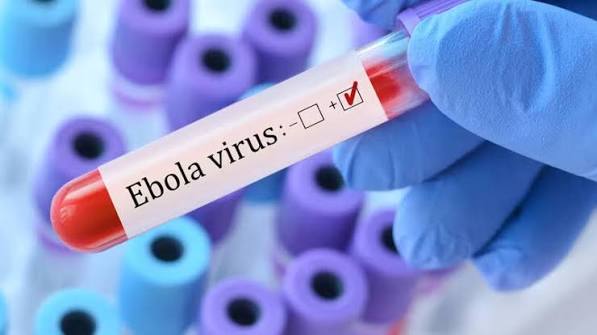
More than a decade after West Africa battled one of the deadliest Ebola outbreaks in history, the emergence of a new strain of the virus has once again raised concerns among health experts. While there is no cause for panic, specialists say vigilance remains essential as countries strengthen surveillance and preparedness measures.
The World Health Organization’s recent alert regarding a new Ebola strain has once again drawn global attention to one of the world’s most dangerous infectious diseases. While no confirmed cases have been recorded in Nigeria, health experts say the development underscores the importance of vigilance, preparedness, and coordinated global response.
According to Dr. Alero Robert, a Nigerian public health physician, the declaration by global health authorities represents one of the highest levels of international health alertness.
“It is the highest level of declaration that can be made in international health. It means countries must cooperate because diseases like Ebola do not respect borders,” she explained. “Nations are expected to strengthen border health measures, surveillance, laboratory testing, treatment preparedness, and risk communication. While there is currently no reported case in Nigeria, the virus has the potential to cross borders, which is why countries are being placed on alert.”
Ebola Virus Disease (EVD) is a severe illness caused by infection with the Ebola virus, known for its high fatality rate in past outbreaks. The virus spreads through direct contact with infected bodily fluids or contaminated objects. It can also be transmitted through contact with infected animals or bushmeat, making it a persistent public health concern in affected regions.
Nigeria’s memory of the 2014 Ebola outbreak remains a significant reference point in public health discussions. Although the country recorded only a small number of cases, it was able to successfully contain the virus through swift detection, aggressive contact tracing, and coordinated response efforts across health agencies.
Today, experts say the emergence of a new strain does not automatically indicate an outbreak but reinforces the need for preparedness and awareness.
One of the major challenges associated with Ebola is its similarity to other common illnesses in the early stages. Dr. Maduabuchi Uchenna of the Family Medicine Department at the 68 Nigerian Army Reference Hospital, Yaba, Lagos, explained that this often leads to delayed diagnosis.
“The signs and symptoms of Ebola disease are diverse because it affects multiple organs and systems in the body. This diversity often leads to either misdiagnosis or delayed diagnosis,” he said.
He further clarified the difference between signs and symptoms, noting that signs are objective observations by healthcare workers, while symptoms are subjective experiences reported by patients.
After exposure, Ebola has an incubation period of about 2 to 21 days. The illness typically begins with what is known as the “dry phase,” which includes fever, weakness, fatigue, sore throat, headache, body aches, and loss of appetite. These early symptoms are often nonspecific and can easily be mistaken for malaria, influenza, or typhoid fever.
As the disease progresses into the “wet phase,” symptoms become more severe and may include vomiting, diarrhea, abdominal pain, nausea, and in some cases, unexplained bleeding from body openings. Severe cases may also involve seizures, difficulty breathing, chest pain, and other life-threatening complications.
Because of this wide range of symptoms, Dr. Uchenna noted that Ebola remains difficult to diagnose early, particularly in regions where malaria and other febrile illnesses are common.
Health experts emphasize that early recognition of symptoms and prompt medical attention are critical to reducing transmission and improving survival chances. Dr. Robert stressed that individuals should avoid self-medication, especially because early Ebola symptoms can easily be mistaken for malaria.
“People who develop these symptoms, especially after possible exposure or travel to affected areas, should seek medical attention immediately. Early detection and prompt reporting are critical to preventing the spread of the disease,” she said.
Understanding how Ebola spreads is essential to preventing infection. According to Dr. Robert, the virus is transmitted through direct contact with the bodily fluids of an infected person, including blood, vomit, stool, urine, saliva, sweat, and semen. It can also spread through contaminated surfaces such as clothing, bedding, and medical equipment. Additionally, transmission may occur through contact with infected wild animals or bushmeat.
Preventive measures remain the most effective line of defense. She advised the public to avoid contact with individuals showing symptoms such as fever, vomiting, diarrhea, or unexplained bleeding. Regular handwashing with soap and water or the use of alcohol-based sanitizers is also essential. Safe burial practices carried out by trained health professionals are critical to preventing post-mortem transmission, while avoiding bushmeat remains an important precaution in affected regions.
On Nigeria’s preparedness, Dr. Robert noted that although no case has been recorded, the country has already activated key surveillance systems.
“Preparedness measures have already been activated. There is enhanced nationwide surveillance, increased health screening at airports, seaports, and land borders, and strengthened laboratory capacity for rapid testing and confirmation,” she said.
She added that infection prevention and control measures are being reinforced across healthcare facilities, while health workers continue to receive training and reminders on proper protocols. Nigeria’s successful containment of Ebola in 2014 remains a guiding example for current preparedness efforts.
“The key lesson from 2014 is maintaining a high level of vigilance and promptly reporting suspected cases,” she added.
Experts agree that preparedness is not a one-time effort but a continuous process that requires investment in healthcare systems, public awareness, and rapid response capacity. The ability to detect and respond quickly often determines whether an outbreak is contained or escalates into a larger crisis.
As global health authorities continue to monitor the new Ebola strain, the emphasis remains on cooperation, surveillance, and public awareness. While there is no immediate cause for panic, experts insist that the world must remain alert.
In an interconnected world where diseases can cross borders rapidly, public health security depends not only on governments and health institutions but also on informed citizens. The lessons of past outbreaks remain clear: early action saves lives, and vigilance is the strongest defense against emerging infectious diseases.