The World Health Organization (WHO) has raised concerns over the reported scale of the Bundibugyo Ebola virus disease outbreak in the Democratic Republic of the Congo (DRC), as health authorities intensify efforts to contain infections and improve access to treatment.
WHO Regional Director for Africa, Dr Mohamed Janabi, said more than 10,000 cases had been recorded, with over 2,600 people reportedly recovering from the disease.
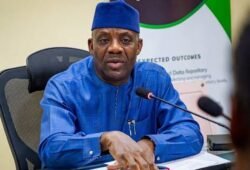
Janabi disclosed the figures in a statement shared on his official X account on Tuesday, describing the outbreak’s impact on affected families and communities as devastating.
Despite the reported scale of infections, he expressed optimism that ongoing scientific research and coordinated public health interventions could strengthen efforts to control the disease.
According to him, progress is being made in developing potential vaccines and treatments specifically targeting Bundibugyo Ebola virus disease.
The prospective medical interventions are undergoing clinical trials, offering the possibility of additional tools to support outbreak management.
However, the WHO official did not announce the approval of a new vaccine or treatment for the virus.
He explained that research activities were being complemented by measures intended to strengthen the health system’s ability to identify, manage and prevent infections.
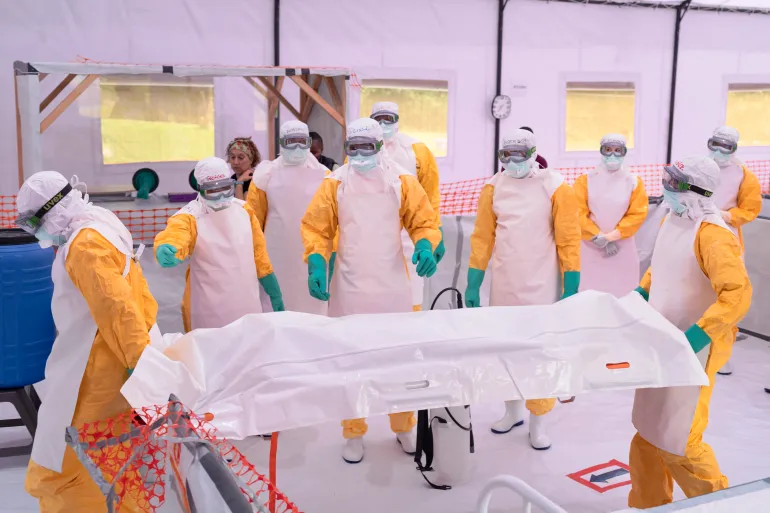
These measures include improved laboratory testing, expanded treatment capacity and stricter infection prevention and control procedures in affected communities.
Surveillance activities are also being strengthened to support the early identification of suspected cases and reduce opportunities for further transmission.
Janabi emphasised the importance of community engagement, noting that effective outbreak control requires cooperation between health authorities and the populations they serve.
He said WHO personnel were working alongside the Congolese government and other partners to coordinate the response and interrupt the spread of the virus.
The organisation’s efforts also involve supporting healthcare services and improving the capacity of response teams operating in affected areas.
Beyond medical interventions, Janabi identified public trust and solidarity as essential elements in managing the outbreak.
He stressed that communities must have confidence in public health measures if surveillance, treatment and infection prevention programmes are to achieve their objectives.
Safe access to affected communities was another priority highlighted by the regional director.
According to him, sustained access would allow health workers and response teams to reach vulnerable populations and deliver necessary assistance.
Janabi maintained that continued commitment from government authorities, international partners and local communities would be necessary to bring the outbreak under control.
He expressed hope that ongoing research, stronger healthcare systems and coordinated interventions would help prevent additional infections and deaths.
The WHO official reiterated that ending the outbreak would require sustained cooperation, particularly in communities where access to healthcare and public health services remains challenging.
Ezeana Emmanuel