


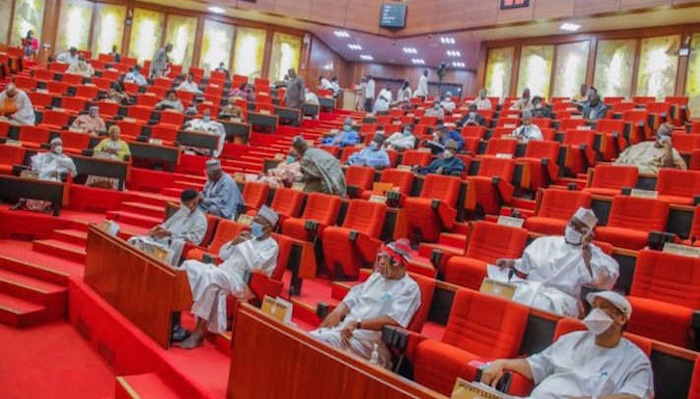
The Nigerian Senate wants to give presidents and governors one term of six years and call it a governance improvement. The logic, as presented by Senate Leader Opeyemi Bamidele, is straightforward: leaders waste too much of their first term chasing re-election instead of actually governing. Take away the need to run again and you take away the distraction.
It is a clean argument but it is also one that sidesteps the more uncomfortable question entirely.
Has Nigeria’s governance problem ever actually been about the number of terms?
Look at the record. We’ve had governors who did two full terms and left nothing to show for it. We’ve had presidents who spent eight years in office and handed the country back in worse shape than they met it. In those cases the issue wasn’t that re-election distracted them. The problem was that the institutions which were designed to hold them accountable, the legislature, the judiciary, the press, civil society, the electorate itself, has either been unable or unwilling to compel better performance.
A single six-year term simply gives a poorly performing leader two extra years and removes the one mechanism, however imperfect, that allows voters to end a bad administration early.
That mechanism is accountability through re-election. It is weak in Nigeria. It is inconsistently applied. It can be bought, manipulated and suppressed. But it exists. But it still exists. And even in a diluted form, the threat of it gives leaders at least some reason to govern in ways people can accept. A one-time, non-renewable term wipes that incentive out. A president who knows there’s no second term has no electoral reason to answer to the people.
The proposal is not new however. Similar ideas have surfaced at different points in Nigeria’s democratic history and have died during constitutional amendment process each time. That track record is worth examining. The proposals failed not because the arguments for them were weak, but because the political will disappeared once sponsors realized what the immediate incentives were.
The timing of it all is also important. The bill is slated for introduction after the 2027 elections, so it won’t touch the current president or any sitting governor. It is a reform designed entirely for someone else’s future. That tells you something about who the reform is actually meant to serve.
Nigeria doesn’t need leaders with more time and less accountability. It needs institutions that make the time leaders already have more accountable. A single six-year term is a structural tweak dressed up as a governance fix. It treats the symptom and leaves the disease untouched.
By Ezeana Emmanuel