

Over the years, whenever black South African face unsettling economic situation they accuse Africans who live in the country as the cause of their problems. They accuse them of taking their jobs. They insist that they would have been engaged if Nigerians, Zimbabweans, Mozambicans, Ghanaians, Somalians, Ethiopians and other blacks from other African nations did not take their jobs.
They hinge their attacks on the allegation that the black Africans are illegal immigrants. They also accuse them, especially Nigerians and sometimes Zimbabweans of peddling drugs in their country.
But over the years, the black South Africans consistently target other Africans who live in their country. In South Africa, there are a high population of Pakistanis, Indians (who dominate Durban), Chinese and of course Europeans, most of whom came to South Africa in 1600 and have become indigenous South Africans.
When black South Africans accuse other Africans of coming to their country illegally, does it means that other people who came from other parts of the world into their country came with legal documents and none of them is undocumented? Investigations reveal that it is not only African immigrants that came to South Africa without documentation.
Informed sources have revealed that while the majority of irregular migrants originate from neighboring African nations—such as Zimbabwe, Malawi, Lesotho, and Mozambique—there are significant numbers of undocumented foreign nationals from Asia and Europe, as well as millions of undocumented native-born South African citizens.
To confirm that it is not only immigrants that have the problem of documentation, an article published by Citizens Rights in Africa Initiative on August 19, 2025 written by Xolile Mtembu and titled, “Stateless in South Africa: The Untold Crisis Facing Million,” indicated that many South African citizens have documentation problem.
“Earlier this year, Home Affairs Minister Leon Schreiber sounded the alarm on what he described as a ‘silent crisis’ gripping the country, as millions of South Africans continue to live without identity documents.
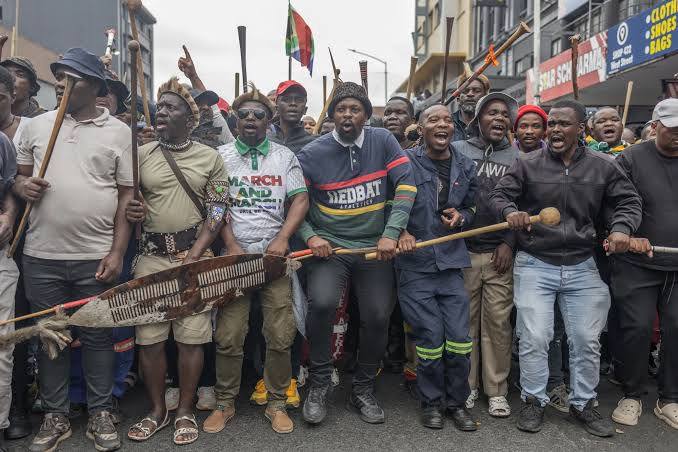
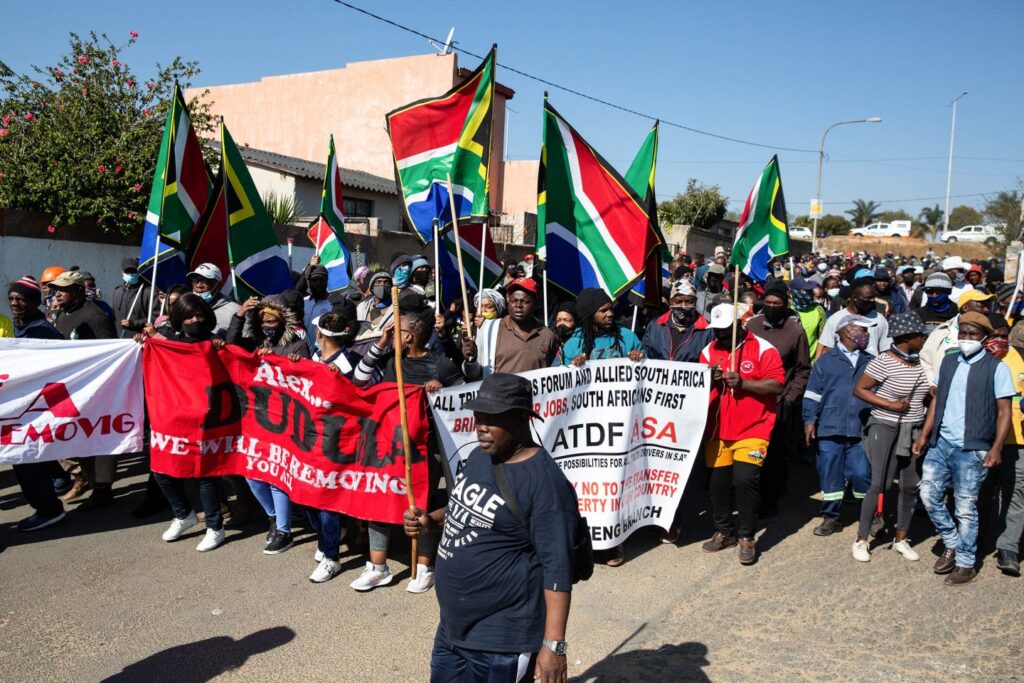
“This quandary has only been exacerbated as anti-immigrant groups like Operation Dudula and the March and March Movement demand that those seeking healthcare provide documentation before entering public facilities.
“I say there is a silent crisis in the country of undocumented South Africans. There are children who are going to school who didn’t have their birth registered,” Schreiber told the National Council of Provinces.”
The article also stated that the minister warned that undocumented children are being denied access to essential rights such as education, healthcare, and social grants.
The article indicated that there were over 15 million undocumented people in South Africa in 2018 and the figure refers to both citizens and residents of the country.
So, this brings to the question, why are black South Africans under the operations of March and March and Operation Dudula targeting only African immigrants?
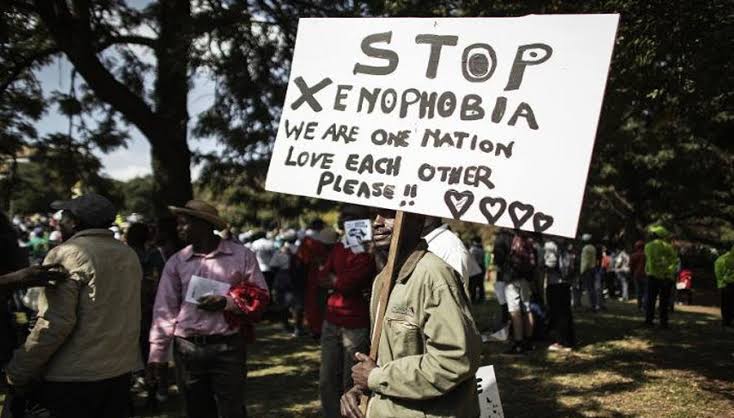
Reports indicate that the groups largely target African immigrants because their grievances stem from local socioeconomic struggles, historical migration patterns, and the scapegoating of foreigners by politicians.
Reports also indicate that while the group said they are targeting illegal African immigrants, they seem to be targeting all Africans, whether legal or illegal immigrants.
Rights groups and migrant advocates frequently warn that the confrontational tactics used by the group have resulted in threats and discrimination directed at all Black African foreigners, regardless of their legal status.
But what has been obvious is that while the black South Africans are hostile to African immigrants, they practically grovel before whites and allow other races to do their business in South Africa, whether documented or not.
Videos have shown where the South Africans were clinging before the white foreigners and salaaming before them.
But they become menacing when they face other Africans; they accuse them of disrespect. They allege they are trafficking drugs in their country, especially Nigerians and Zimbabweans.
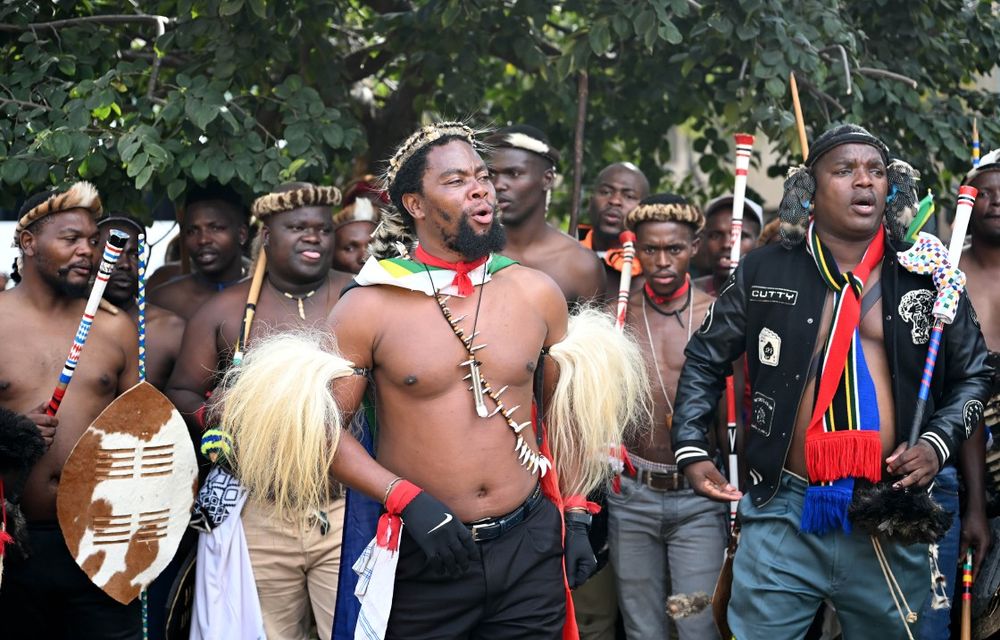
Insiders explain that this hostility is frequently termed “Afrophobia”, while South Africa opened its doors to other African nations following the end of apartheid, decades of systemic isolation and inequality left a complex legacy. Several dynamics explain this hostility.
Anti-immigrant sentiments have been fuelled by nationalist rhetoric, with specific focus often directed toward migrants from West and Central Africa (e.g., Nigerians) and neighbouring nations like Zimbabwe and Mozambique.
Aljazeera reports that the group target African immigrant’s due to deep seethed prejudices against their fellow blacks and BBC also reported that Groups like Operation Dudula and the March and March movement largely concentrate on African immigrants due to the ease of identifying them, pre-existing historical tensions, and the geographic proximity of neighbouring countries. Their focus is driven by grassroots frustration over unemployment and the strain on public resources
Many analysts have attributed this to self-loathing. That is blacks hating their kind
In fact, it is believed that there is a direct and widely documented link of the action of black Africans against their fellow blacks as self-loathing. When anti-immigration movements disproportionately or exclusively target African immigrants, scholars and human rights analysts attribute this specifically to Afrophobia (prejudice and hostility directed specifically toward Black Africans) rather than generalized xenophobia.
This dynamic is distinctly visible in the context of South Africa, where mass protests and vigilante groups like the March on March and Operation Dudula have led to violence and forced repatriation
What is black loathing?
Black loathing is not a formally recognized clinical diagnosis or widespread academic term. However, in cultural and psychological discussions, it most commonly refers to an intense emotional aversion, systemic prejudice, or psychological distress related to Black people, Black identity, or Black culture.
According to studies, slavery promoted self-loathing among Black people through a system of “mental defeat,” where physical and psychological subjugation were used to enforce a belief in inherent inferiority. Enslaved individuals were stripped of their native cultures and subjected to relentless violence, leaving deep, generational scars.
Apartheid in South Africa also had its toll on black South Africans. Before South Africans started targeting and killing blacks outside South Africa who came to their country, there had been black on black violence during apartheid allegedly instigated by the white minority leadership.
The crisis between the African National Congress (ANC) and the Inkatha Freedom Party (IFP) in the late 1980s and early 1990s was described as a devastating low-grade civil war. Driven by competing political ideologies, territorial control, and covert manipulation by the apartheid state, this localized conflict claimed thousands of lives.
Even during slavery blacks were known to take on themselves triggered by self-hate. Scholars attribute the success of slavery to the enslavers instigating in-fighting among the slaves, which made it easy to expose planned revolts.
So, the action of South Africans against their fellow Africans in South Africa has a long history. There are unconfirmed reports that some individuals from the Middle East are behind the recent xenophobia by Operation Dudula and Match on Match. But the question is, why are blacks allow themselves to be used all the time.