


Nigeria’s National Economic Council has given the green light to a major refinancing arrangement that will replace the country’s existing $3.3 billion Project Gazelle Pre-Export Finance Facility with a new $4.5 billion facility, Project Gazelle 2, freeing up an additional $3 billion in liquidity in the process.
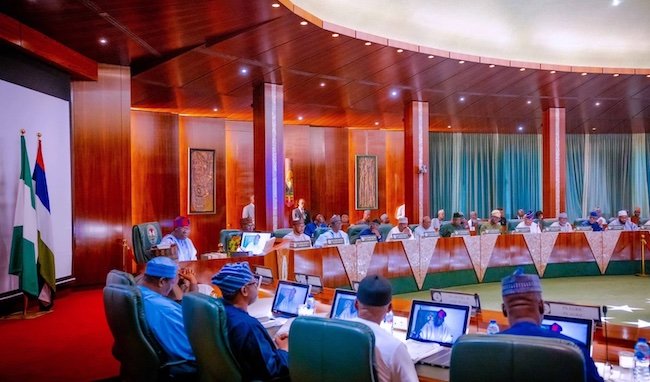
The approval came out of NEC’s 159th meeting, held virtually and chaired by Vice President Kashim Shettima, following a presentation from Minister of Finance and Coordinating Minister of the Economy Taiwo Oyedele. Under the new structure, NNPC Limited will refinance the roughly $1.5 billion still outstanding under the original 2023 facility, while the arrangement simultaneously opens up new liquidity intended to bolster Nigeria’s external reserves and support ongoing fiscal and infrastructure priorities.
What makes the deal notable, according to Oyedele, is that it comes with meaningfully better terms than the facility it replaces. The volume of crude oil pledged as collateral drops from 90,000 barrels per day to approximately 78,750 bpd, a reduction of 12.5 percent, freeing an additional 11,250 bpd for the federation that would otherwise have remained tied up under the original arrangement. In practical terms, Oyedele explained, Nigeria is accessing more liquidity on improved terms while simultaneously reducing the volume of crude committed by NNPC, a combination he framed as strengthening the country’s broader financing structure rather than simply adding debt.
NEC’s endorsement reflected recognition of what the additional liquidity could mean for the federation more broadly, with the council pledging its backing for the initiative’s implementation.
The refinancing discussion followed opening remarks from Vice President Shettima, who used his address to press council members on a different but related priority: building a more responsive and data-driven social protection policy capable of addressing multidimensional poverty across the country. He argued that government performance is often felt by citizens well before it’s formally announced, showing up instead in the price of food, the state of hospitals, outcomes in schools, and the pressures facing everyday families. He urged council members to ensure their decisions reassure citizens “that their government is paying attention to the pulse of the nation and is resolved to respond with competence, compassion and purpose.”